Trying to figure out which North Little Rock neighborhood fits your lifestyle and budget? You have a lot of great options, from walkable arts districts to park-side streets and newer suburban subdivisions. The key is matching what you value most with the right pocket of the city. In this guide, you’ll learn the main neighborhood types, what the homes are like, commute patterns, nearby amenities, and the checks to do before you buy. Let’s dive in.
Start with your priorities
Before you tour homes, get clear on what matters most. North Little Rock offers several distinct living styles, and sorting them early will save you time.
- Walkability and entertainment
- Outdoor access and recreation
- School boundaries and yard size
- Affordability and commuter convenience
Keep a shortlist of 2 to 3 neighborhood types that fit your must-haves. Also note key factors that can change a home’s fit, like floodplain status near the river, school zones that vary by block, and whether an HOA applies.
Downtown/Argenta: walkable arts and dining
Housing and vibe
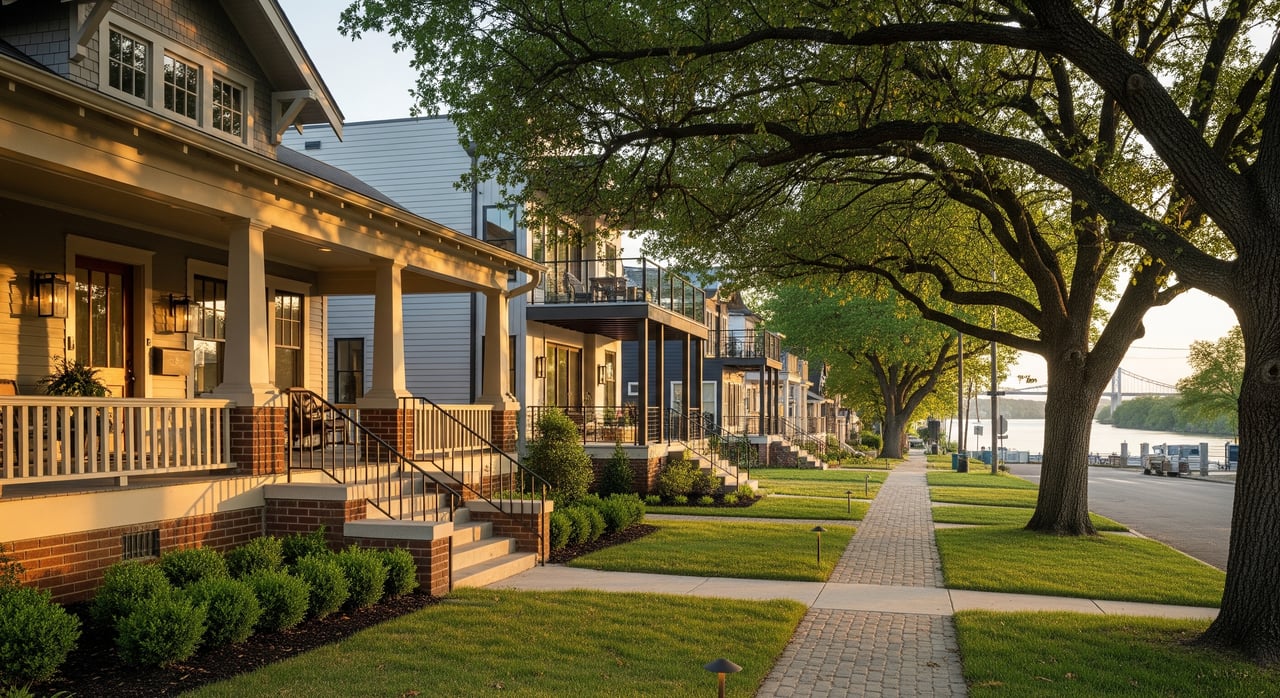
You’ll find converted historic buildings with lofts and condos, small-lot bungalows, craftsman homes, and some newer infill townhomes. There is a higher share of multi-family and attached homes here than in other parts of the city.
Commute and mobility
You can make very short drives or bike rides into central Little Rock using nearby river crossings. Local transit and bike-ped connections tend to be stronger in this area, and many errands are walkable.
Amenities you’ll love
Expect restaurants, galleries, small music venues, farmers markets, and riverfront trails. Daily life here leans toward short trips, local events, and a lively street scene.
Best fit for
Singles, couples, and downsizers who value walkability and low-maintenance living. If you want cultural amenities close by, this pocket is a strong match.
Things to verify
Yard sizes are often limited. Parking can be tighter, and remodeled historic spaces can carry a higher price per square foot. If you’re looking at condos or townhomes, review HOA rules and fees early.
Riverfront, Burns Park, and the Greenbelt
Housing and vibe
This recreation-focused corridor offers mid-century ranches, traditional family homes, and pockets of newer subdivisions near parkland. Lots tend to be medium to large, with room to spread out.
Commute and mobility
Getting to park amenities is simple, and drives into downtown Little Rock are typically short. Your exact commute depends on which bridge you use, so test your route at your normal drive time.
Amenities you’ll love
Large municipal parks, sports fields, playgrounds, trails, and river access are close. Major regional cycling and walking routes connect here, making it ideal for active lifestyles.
Best fit for
Active households that want bigger yards and easy outdoor time. If you plan to spend weekends on trails or at the park, this area delivers.
Things to verify
Some parcels near the river can be in a flood zone. Confirm FEMA flood maps and ask for elevation certificates if available. School zoning can vary block to block, so verify boundaries directly with the district.
Older grid and starter-home pockets
Housing and vibe
Expect early to mid-20th-century bungalows, modest ranch homes, and smaller lots. These areas often provide the most affordable entry points into the city while keeping character and charm.
Commute and mobility
You’ll have reasonable access to central Little Rock jobs, with many residents crossing the river for work. Transit options vary by street, so plan for car commutes unless a bus route fits your schedule.
Amenities you’ll love
Corner stores, churches, and community-focused spaces are common. You won’t see as many boutique retail options as downtown, but daily needs are typically nearby.
Best fit for
First-time buyers who want a manageable mortgage, buyers open to renovations, and investors seeking rental opportunities.
Things to verify
Older homes may need system updates. Get thorough inspections for roof, HVAC, wiring, plumbing, pest/termite, and foundation. Review any available permits and check code enforcement history for peace of mind.
Suburban subdivisions and planned neighborhoods
Housing and vibe
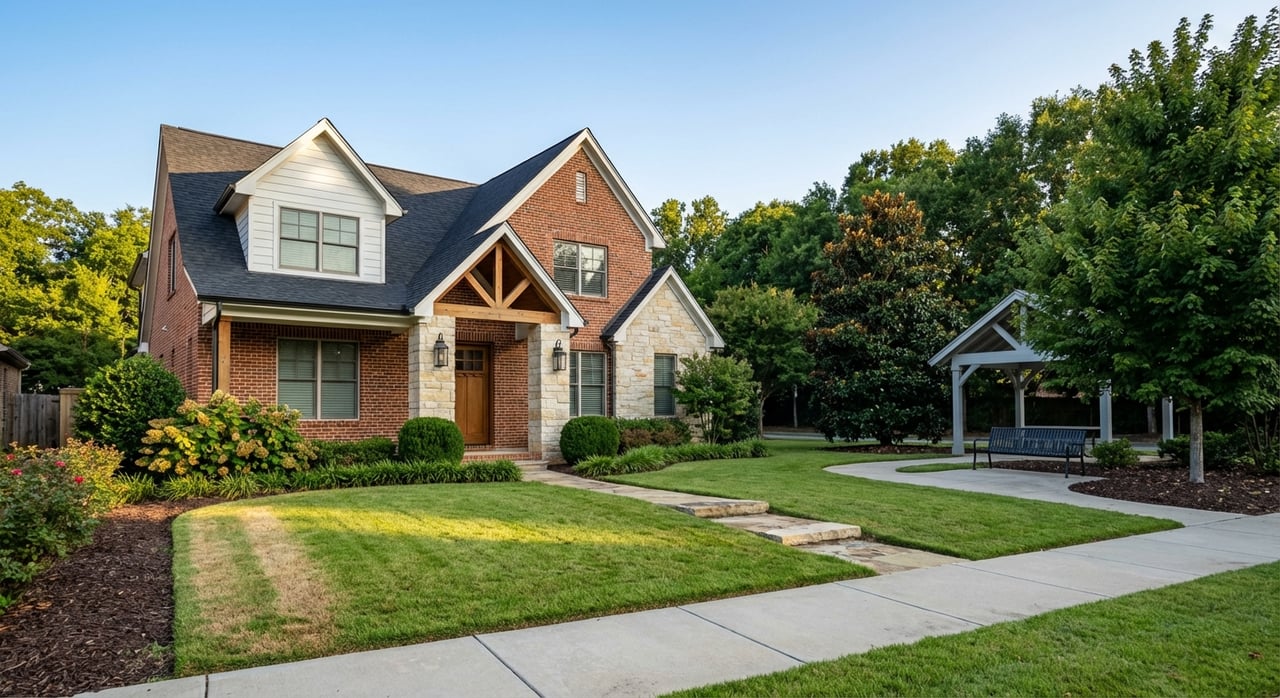
You’ll see newer single-family homes with larger footprints, multiple bedrooms, and larger lots. Many areas are part of builder-led communities, with split-level and modern ranch styles.
Commute and mobility
These neighborhoods are designed for car travel with access to major arterials and highways. Drive times depend on which bridge you use to cross the river, so map your routine destinations.
Amenities you’ll love
You may find neighborhood playgrounds and sometimes community pools. Shopping centers and regional retail are typically a short drive. School access often plays a big role in the decision for these areas.
Best fit for
Move-up buyers and households that want more space, defined neighborhoods, and quiet streets.
Things to verify
Some communities include HOAs with architectural controls. Review HOA fees and covenants, confirm builder warranties, and ask about utility extensions or upcoming development plans.
Lakefront, waterfront, and higher-end pockets
Housing and vibe
Look for larger lots, custom builds, and homes that maximize lake or river views. Some enclaves may be gated or semi-private for added privacy.
Commute and mobility
Drive times to downtown hubs can be slightly longer depending on exact location and river crossings. If you work across the river, test morning and evening commutes before committing.
Amenities you’ll love
Scenic views, access to water-based recreation, and quieter streets create a relaxed feel with a weekend-home vibe inside the metro area.
Best fit for
Buyers who want scenic settings and luxury finishes while staying connected to Central Arkansas.
Things to verify
If the property is near water, confirm floodplain details, permits, and insurance requirements. Elevation and insurance can affect monthly carrying costs.
Commute, schools, and floodplain checks
Make decisions with facts in hand. A few targeted checks will help you compare homes across North Little Rock.
- Commute and transportation: Use real drive-time tests to downtown Little Rock, hospitals, and frequent destinations. Check bus routes and schedules with the regional transit provider if you plan to use public transit.
- Schools and boundaries: Confirm the assigned school with the North Little Rock School District and review the Arkansas Department of Education for performance indicators. Boundaries can change, so verify before you write an offer.
- Flood and environmental risk: Review the FEMA Flood Map Service Center for flood zone designations and base flood elevations. Ask sellers for any elevation certificates and past flood information.
- Property condition: Note year built, lot size, and the age of major systems like roof, HVAC, electrical, and plumbing. Review city permits and seller disclosures when available.
- Taxes, utilities, and HOAs: Check Pulaski County Assessor records for tax history. If there is an HOA, request covenants and fee schedules. Confirm local utility providers and rates as part of your monthly budget.
Smart search steps in North Little Rock
Use this simple process to narrow your options and move confidently.
- Define your top two priorities, such as walkability plus short commute or larger yard plus newer construction.
- Pick two neighborhood types that match those priorities and gather 6 to 12 months of recent comps for each pocket.
- Verify commute at your normal hours and test at least one bridge route for each area you like.
- Check flood status early if the home is near the river or creeks, and get insurance quotes once you identify a property.
- Plan inspections that fit the home’s age and condition, including structure, systems, and pest/termite. Consider additional testing for older homes as advised by your inspector.
- Review HOA rules, builder warranties, and planned nearby projects that could affect your lifestyle or future value.
Ready to tour? Let’s talk
Whether you’re a first-time buyer or moving up for more space, you deserve local guidance and clear next steps. With a boutique, client-first approach and full MLS access, you get personalized service from search to closing along with practical neighborhood insights. When you’re ready to compare pockets, test commute routes, and line up inspections, reach out to Ellen Weiner for a friendly, no-pressure consultation.
FAQs
Which NLR areas balance price and commute?
- Older grid and starter-home pockets often offer more affordable options with reasonable drives to central Little Rock, depending on your bridge route.
How do I check flood risk before I buy?
- Review FEMA flood maps for the property, ask for any elevation certificates, and get early insurance quotes if the home is near the river or low-lying areas.
What should first-time buyers watch for with older homes?
- Budget for thorough inspections of roof, HVAC, electrical, plumbing, foundation, and pest/termite, and confirm any past permits or code issues with the city.
Do subdivisions usually have HOAs and rules?
- Many newer communities do; request covenants, confirm fees, and ask about builder warranties, utility extensions, and planned nearby development.
How do school boundaries affect my search?
- Boundaries can vary by block and can change, so confirm the assigned school with the district before making an offer and consider commute to that campus.
What is the best way to test river-crossing commutes?
- Drive your intended route at your normal hours and compare bridges; if you plan to use transit, check schedules with the regional provider to confirm timing.