Torn between Lakewood and Park Hill for your next home in North Little Rock? You’re not alone. Both neighborhoods offer established streets, character homes, and easy access to daily essentials, yet the day-to-day feel can be very different. In this guide, you’ll compare lifestyle, homes, parks, HOAs, and practical buyer tips so you can choose with confidence. Let’s dive in.
Quick take: Lakewood vs Park Hill at a glance
| Category | Lakewood | Park Hill |
|---|---|---|
| Overall vibe | Quieter, park-forward living with tree-lined streets | Classic neighborhood feel with small commercial pockets |
| Home styles | Mid-20th-century ranch and cottage, some infill | Bungalow, Craftsman, mid-century ranch variety |
| Typical lots | Modest yards; some larger lots near green space | Standard city lots with mature landscaping |
| Daily rhythm | Close to major green spaces and riverfront | Walkable pockets near shops and services |
| Buyer priority | Recreation access and calm streets | Convenience to neighborhood retail and schools |
| HOA presence | Many streets without HOAs; verify per block | Many streets without HOAs; verify per block |
| Renovation mix | Original-condition to updated and new infill | Similar mix; renovations vary block to block |
| Commute feel | Convenient access to primary routes | Convenient access to primary routes |
Both neighborhoods appeal to move-up buyers. Your best fit often comes down to how you balance green space and quiet against walkable pockets and neighborhood street life.
Neighborhood feel and streetscape
Lakewood vibe
Lakewood is known for tree-lined streets and mid-20th-century single-family homes. You’ll see ranch and cottage styles, with modest yards and occasional larger lots near green areas. Some sections include newer infill, so block-by-block feel can change. Buyers often pick Lakewood for easy access to parks and a calmer residential rhythm.
Park Hill vibe
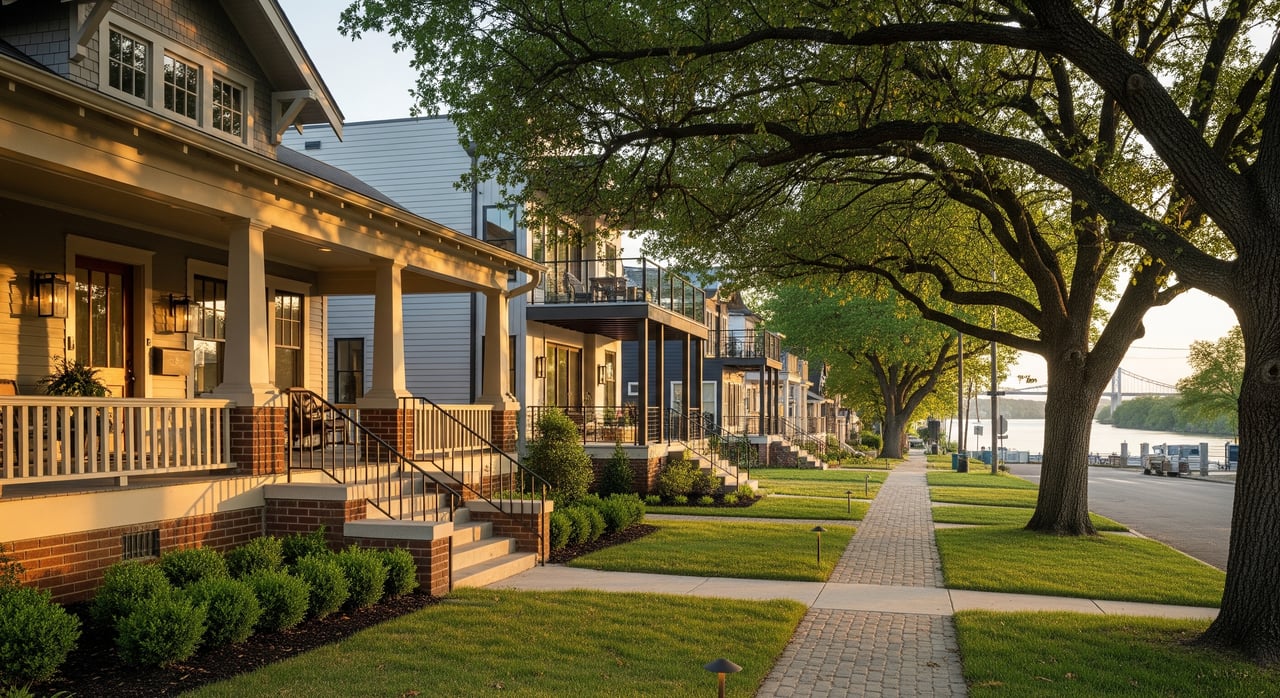
Park Hill offers an older, established setting with a range of architectural styles, including bungalows, Craftsman homes, and mid-century ranches. You’ll also find small commercial pockets that add everyday convenience. Many buyers value Park Hill’s mature landscaping and the ability to reach local shops and services nearby. It delivers a familiar neighborhood cadence without giving up access to city amenities.
Homes and lots: what you’ll find
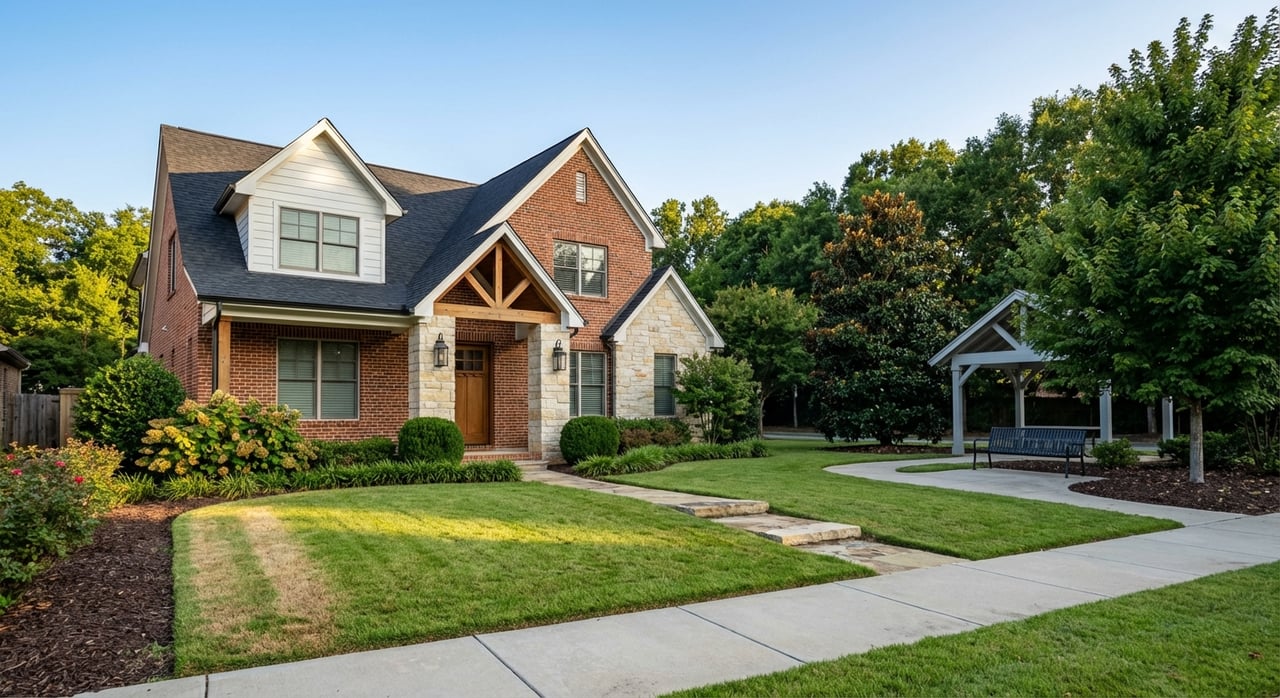
Most homes in these established North Little Rock neighborhoods are single-family and detached. Typical sizes range from about 1,200 to 2,400 square feet, and many move-up buyers target 1,800 square feet or more and three or more bedrooms. Conditions vary from original to fully renovated, and some blocks include newer construction.
To frame budget without quoting a fixed number, think in tiers:
- Entry move-up: Solid homes that may need cosmetic updates or system upgrades. Good for buyers who want a foothold in the neighborhood and are ready to renovate over time.
- Mid-range: Updated kitchens or baths, well-maintained systems, and a desirable lot or street. Often the sweet spot for move-up families.
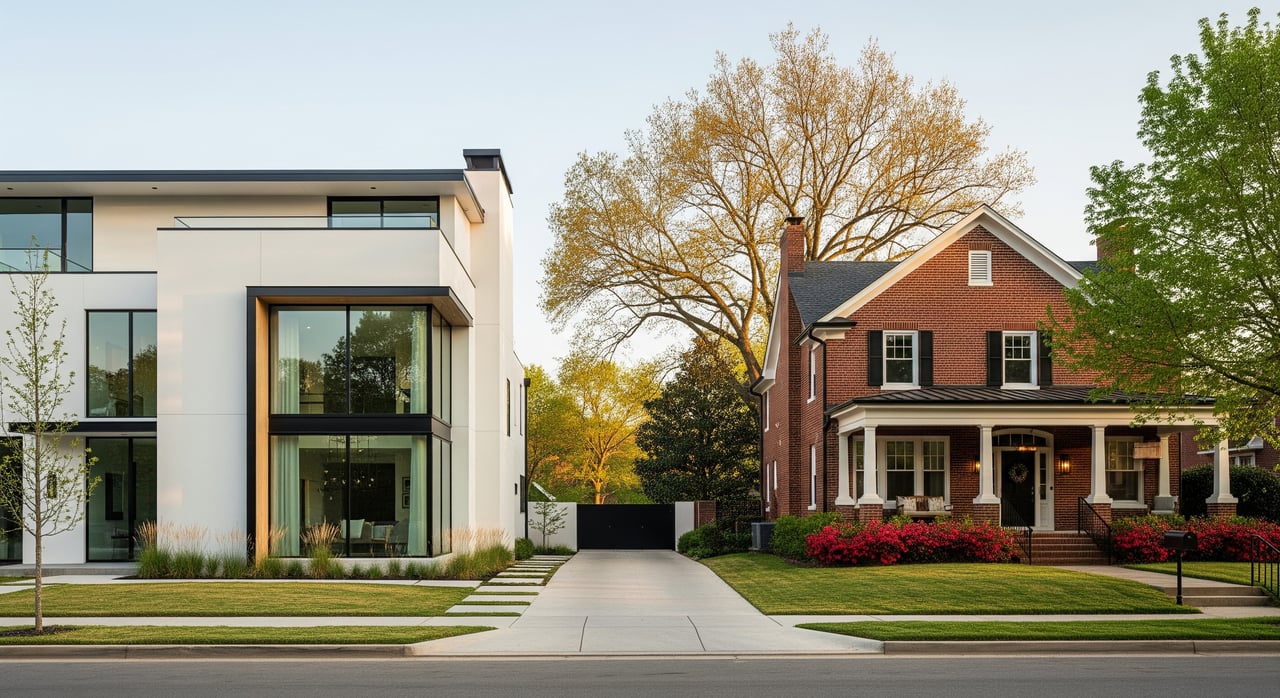
- Premium: Larger lots, top-to-bottom renovations, or newer infill construction. These homes can command stronger pricing based on updates and proximity to amenities.
How to get current prices before you tour
Neighborhood pricing can move quickly. Use a 90-day snapshot to stay current:
- Pull the 90-day median sale price for Lakewood and Park Hill from the local MLS.
- Compare price per square foot to the North Little Rock and Pulaski County averages.
- Review active inventory and median days on market over 30, 60, and 90 days.
- Line up three to five recent comparable sales in each neighborhood to set expectations.
If you want verified MLS data and a tailored list of recent comps, ask Ellen to prepare a quick pricing brief before you tour.
Parks, shops, and daily convenience
Parks and recreation
Outdoor time is a big draw in both neighborhoods. Lakewood often appeals to buyers who want to be near major green spaces and the riverfront. Burns Park is North Little Rock’s largest municipal park and a major regional amenity, with trails, sports fields, and river access. In both areas, you can also find smaller pocket parks and neighborhood recreation spots. Your exact park access will vary by block, so plan a quick walk or drive when you tour.
Shopping and dining
Park Hill includes small commercial pockets that make it easy to pick up coffee, grab a quick meal, or run errands without a long drive. Lakewood has convenient access to nearby retail corridors and services as well. In both, most essentials are within a short drive, and many streets feel residential and settled. If you value walkability, include a lap on foot around each property to see how it feels to reach nearby shops or services.
Schools and programs
Many addresses in these neighborhoods are served by the North Little Rock School District, but attendance boundaries are address-specific. Check the district’s boundary lookup for any home you are considering and review public information on school programs and performance. If private or parochial options are on your radar, note commute routes and after-school logistics alongside home features. Keep your criteria neutral and focused on fit, programs, and proximity.
Commutes and getting around
Both Lakewood and Park Hill offer convenient access to primary routes that connect to downtown Little Rock and other Central Arkansas employment centers. To understand your real routine, test your drive during rush hour and off-peak, noting any chokepoints near the routes you plan to use. If you use public transit, map available bus routes and park-and-ride options before you shortlist homes. Driveway space, street parking, and garage capacity can also play into daily convenience.
HOAs, taxes, insurance, and rules
HOA expectations
Many older North Little Rock neighborhoods do not have HOAs, but some subdivisions do. Always confirm whether an HOA exists for a specific property and review governing documents before you make an offer. Pay attention to fees, exterior rules, architectural review requirements, and any rental restrictions. These details can affect future renovations, fence plans, or accessory structures.
Taxes and utilities
Check the Pulaski County Assessor for parcel details, recent tax bills, and millage rates for any property you’re considering. Verify whether water and sewer are city-provided and confirm utility availability for broadband and gas. Older homes can have varying system ages, so factor potential updates into your budget.
Flood and insurance
Some parcels closer to river corridors can fall within flood zones. Always pull FEMA flood maps for the exact address and discuss lender requirements for flood insurance if applicable. Homeowners insurance premiums can vary by age, roof condition, and construction type. Ask for recent policy quotes early, especially if the home has older systems or past claims.
Permits and historic considerations
If you plan to add on, reconfigure, or build an accessory unit, review City of North Little Rock building permits and zoning codes. If a property sits in or near a historic area, check for preservation rules or incentives that might affect exterior projects. Clear information upfront helps you plan improvements without surprises.
How to choose: a simple plan
Start with your lifestyle non-negotiables, then tour with a clear framework. This keeps you focused on the right homes instead of every new listing.
- Space needs: Minimum bedrooms, flex space for an office, and primary suite layout.
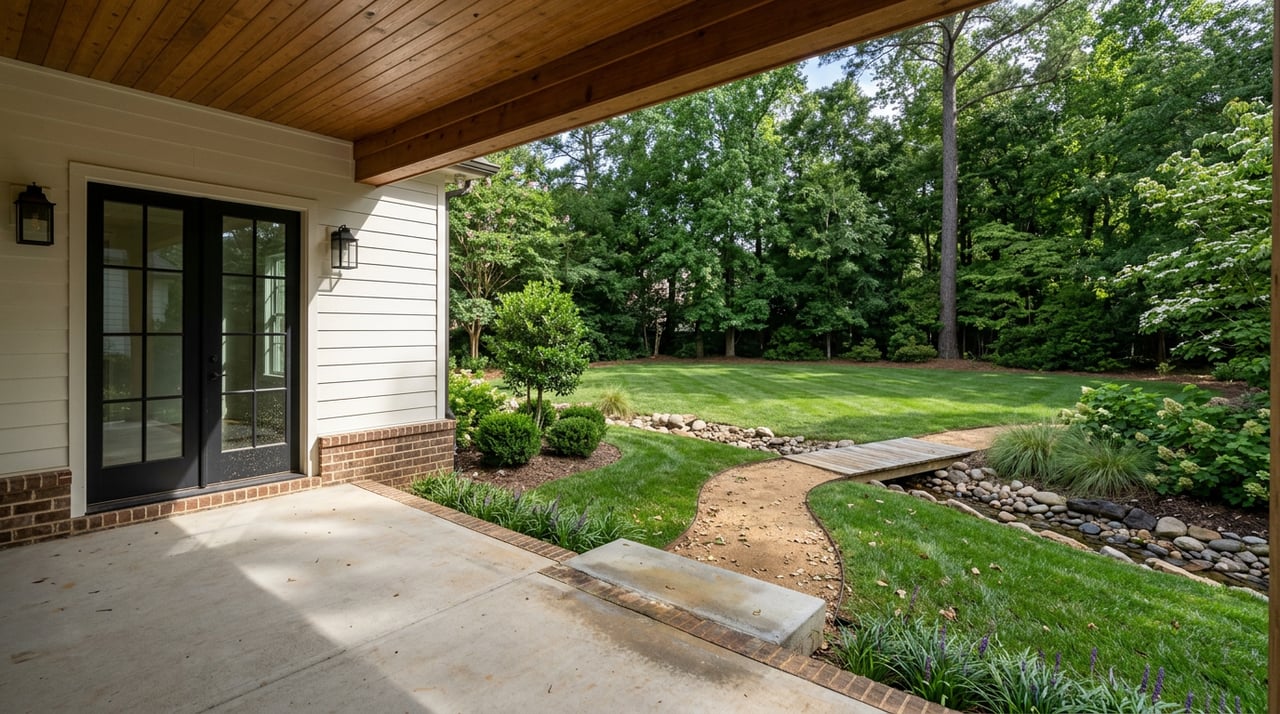
- Yard priorities: Lot size, privacy, and whether you want room for a play area, garden, or pool.
- Parks and daily rhythm: Do you want quick access to larger parks or a street with more neighborhood activity?
- Walkability vs. drive time: How important is a short stroll to coffee or groceries compared with a quieter, more residential street?
- Schools and programs: Confirm attendance zones and program options that fit your needs.
- Condition tolerance: Move-in ready vs. renovation plans over time.
- Resale considerations: Lot quality, street appeal, and nearby development.
A focused tour strategy with Ellen
A productive tour compares apples to apples. Start with one neighborhood per tour. See a mid-range example first to set your baseline, then a lower-priced option that needs updates, followed by a premium home to understand the top of the market. Build in time to walk the block, check sidewalks and street parking, and drive your commute route during a busy window. Ellen can include a couple of “control” comps so you can calibrate prices and finishes.
Offer and inspection priorities
When you find the right home, center your offer on recent comps, days on market, and seller motivation. Your inspection should focus on structure, roof, HVAC, drainage, and any additions or prior work that may require permits. Keep appraisal and financing contingencies aligned with your lender timeline, and make sure you have enough lead time for needed repairs. In low-inventory pockets, be ready for a competitive process.
Which vibe fits you?
Choose Lakewood if your heart is set on green space, a calmer residential feel, and easy access to major parks and the riverfront. Choose Park Hill if you want an established neighborhood with diverse architecture and convenient pockets of shops and services. Both give you access to classic North Little Rock living, and both can work for a move-up plan.
If you want MLS-verified pricing, a side-by-side tour plan, and guidance tailored to your family’s routine, reach out to Ellen Weiner. Ellen will help you clarify your priorities, line up the right homes, and move from first showing to closing with confidence.
FAQs
How do Lakewood and Park Hill differ for parks and walkability in North Little Rock?
- Lakewood leans park- and riverfront-adjacent living, while Park Hill offers a classic neighborhood feel with small commercial pockets that support walkability.
What home styles and sizes are common in Lakewood vs Park Hill?
- Expect single-family ranch, cottage, bungalow, and Craftsman styles, often 1,200 to 2,400 square feet, with move-up buyers targeting 1,800 square feet or more.
Are there HOAs in Lakewood or Park Hill?
- Many streets in both areas do not have HOAs, but some subdivisions do; always verify HOA status, fees, and rules for a specific property before offering.
How should I compare current prices between Lakewood and Park Hill?
- Pull a 90-day MLS snapshot for median sale price, price per square foot, inventory, and recent comps for each area to set realistic expectations.
What should I know about schools for these neighborhoods?
- Check North Little Rock School District attendance boundaries by address and review available program and performance information to confirm fit and proximity.
Is flood risk a consideration near these neighborhoods?
- Some parcels closer to river corridors can be in flood zones; confirm FEMA flood maps for the exact address and discuss any flood insurance requirements.
What’s a smart first step to tour both neighborhoods?
- Ask Ellen to prepare a pricing brief with recent comps, then tour one neighborhood at a time, starting with a mid-range home and bracketing with lower and higher examples.