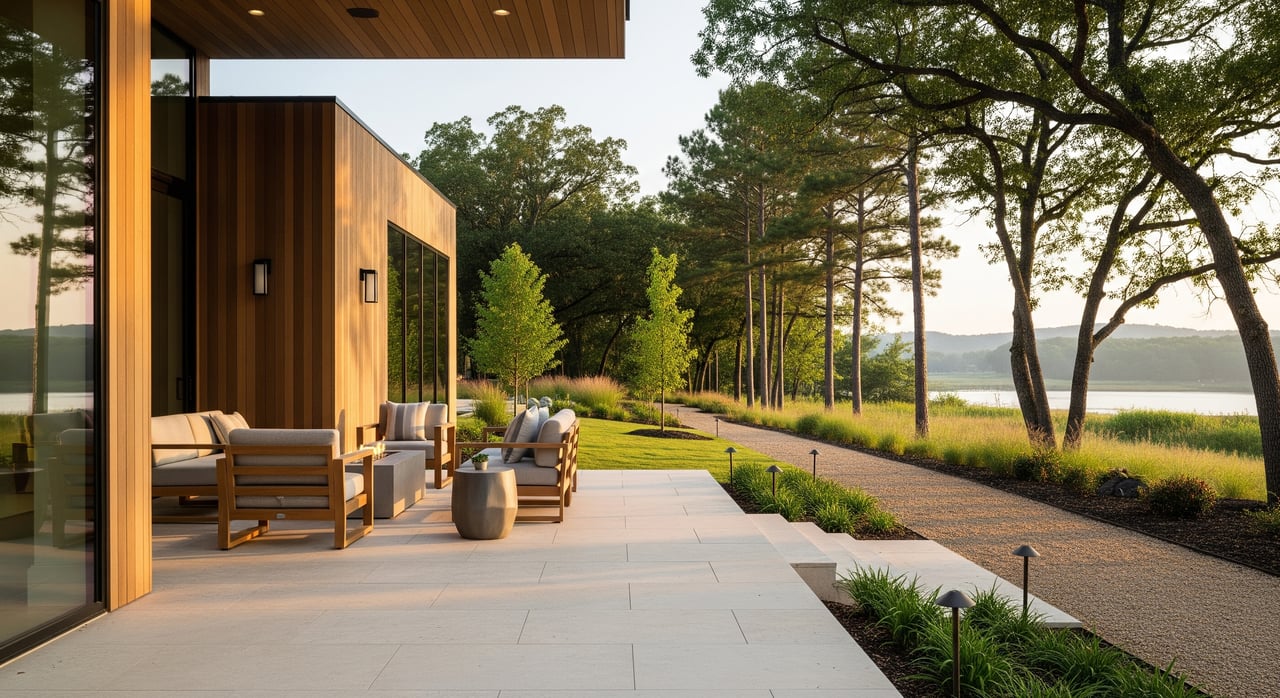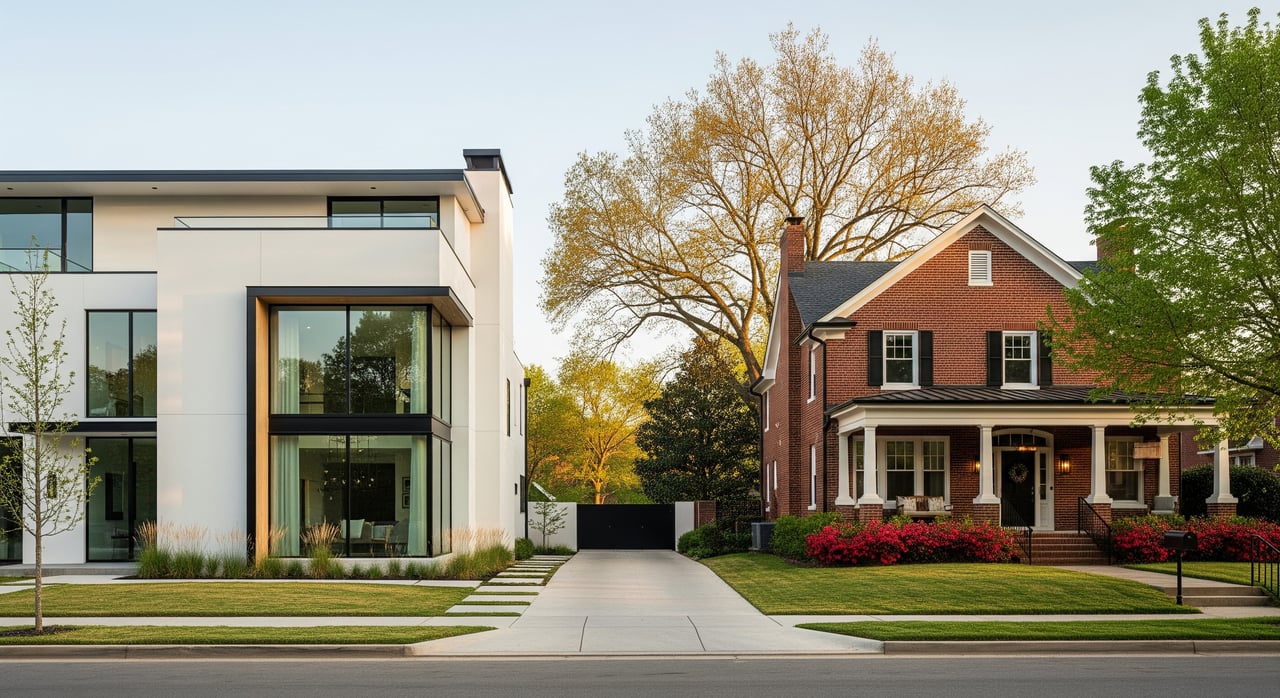
Thinking about buying in Conway and torn between a shiny new build and a well-loved resale? You’re not alone. With steady growth around Conway and Faulkner County, you have real options in both new subdivisions and established neighborhoods. In this guide, you’ll get a clear, local comparison of costs, timelines, inspections, warranties, HOAs, and negotiation tactics so you can choose with confidence. Let’s dive in.
New vs resale in Conway: what’s different
Conway’s growth drives demand in both directions. New subdivisions often rise on the city’s edge where developers install streets, utilities, and stormwater systems. Established neighborhoods closer to downtown tend to offer quicker commutes to schools, services, and local employers. Your choice often comes down to timing, customization, and how much uncertainty you can accept.
You should also consider practical site factors. Confirm whether a lot connects to city sewer or uses private septic, and verify where utilities are stubbed. Parts of Faulkner County are flood-prone, so check flood risk and drainage plans when selecting a lot or a home.
Price and up-front costs
New construction
- You’ll see a base price, plus any lot premium and design upgrades. Many buyers underestimate design center costs and go over allowances.
- Builders may offer incentives like closing cost help or a rate buydown. Those perks can be real, but they sometimes pair with higher list prices or lot premiums.
- Early operating costs may be lower thanks to newer codes and energy efficiencies, but standard taxes and insurance still apply.
Resale
- You can negotiate price and credits based on condition and market pressure.
- Budget for near-term repairs or replacements like roofs, HVAC, or appliances. Build a realistic line item for immediate fixes when you shape your offer strategy.
Total cost of ownership
New builds usually require less maintenance in the first few years and often come with multi-tier warranties that reduce short-term risk. Resale homes can carry deferred maintenance or updates that raise first-year costs. Insurance can be lower on newer homes and higher on older ones, depending on systems and materials. New homes may also trigger a reassessment, so understand how Faulkner County treats new construction versus existing homes.
Timeline to move-in
New construction
- Move-in ready spec homes can be quick, while a build-to-suit timeline can range from 4 to 12 months or more depending on stage, labor, materials, and weather.
- Completion dates are often estimates with limited penalties for delays. Be prepared for schedule shifts and plan your housing accordingly.
Resale
- Typical closings land in the 30 to 60 day range, depending on your financing and the seller’s situation.
- Possession dates tend to be more predictable, though leasebacks or seller contingencies can extend the timeline.
Inspections, quality, and risk
New construction
- Builders perform their own walkthroughs and punchlists, but independent inspections are still important. Staged inspections at pre-drywall and final help catch issues early.
- Understand warranty structure and coverage. Many builders split coverage into workmanship, systems, and structural tiers. Confirm scope, exclusions, claim process, and transferability in writing.
- Research builder reputation, subcontractor quality, and local inspection history.
Resale
- A standard home inspection can uncover needed repairs or specialist follow-ups, like termite, sewer scope, roof, or HVAC inspections.
- Older homes sometimes require deeper investigation. Your offer can include contingencies to protect you while you inspect.
Financing and appraisal
New construction
- You may use a construction-to-permanent loan, a builder program, or a standard mortgage on an inventory home. Construction loans have different underwriting and draw schedules.
- Appraisals can be challenging in new subdivisions with few comparable sales. Lenders may need completed construction for final approval.
Resale
- Standard mortgage workflows are more predictable, with easier appraisal comps when nearby homes have sold recently.
HOA and developer control
New subdivisions
- Expect an HOA with CC&Rs, dues, and architectural review. Early control usually rests with the developer.
- Ask about the schedule for HOA control transfer, how assessments are set, and whether reserve funding is planned. Early budgets can change as a community takes shape.
Established neighborhoods
- Some communities have mature HOAs with stable budgets; others are deed-restricted or have no HOA. Review documents for rules, fees, reserves, and any known disputes.
Resale value and marketability
New construction offers modern layouts, up-to-date codes, and perceived low maintenance. That can help long-term demand. In the short term, competing new inventory nearby can pressure resale pricing. Established neighborhoods often bring mature landscaping and location-driven convenience. Dated layouts or deferred maintenance can affect marketability until updated.
A simple decision framework
- Define must-haves vs nice-to-haves
- Musts: bedroom count, garage size, lot size, specific commute times, and school district boundaries that fit your plan.
- Niceties: higher-end finishes, smart-home packages, larger yards, or mature trees.
- Time sensitivity
- If you need to move within 60 to 90 days, prioritize resale or a move-in ready spec home.
- If you have flexibility, building allows customization with some schedule risk.
- Budget clarity
- New build math: base price + lot premium + upgrades + landscaping + temporary housing if needed + any impact/connection fees + closing costs.
- Resale math: purchase price + immediate repairs/updates + first-year maintenance + closing costs.
- Factor financing differences, like interim interest on a construction loan.
- Risk tolerance vs customization
- If you want maximum predictability, resale tends to offer more certainty.
- If you value specific finishes or layouts, new construction or the right spec home can fit best.
- Long-term value priorities
- If you prioritize energy efficiency, current codes, and lower early maintenance, new construction may have the edge.
- If location convenience and neighborhood character matter most, resale can shine.
- Use a scorecard
- Score each option 0 to 5 on location, price certainty, timeline, customization, and long-term maintenance. Add totals to see which path fits your priorities.
Conway-specific due diligence
- Location context: New subdivisions often sit on the city’s fringe, while many resale options cluster near downtown and schools. Match each area to your commute and daily habits.
- Utilities and site: Confirm sewer vs septic, connection fees, and whether utilities are stubbed to your lot. Ask about stormwater management and road maintenance before HOA turnover.
- Flood considerations: Check whether a property sits in a flood-prone area and request an elevation certificate where applicable.
- Permits and approvals: Builders manage most city or county approvals, but confirm timelines and inspection milestones, especially for custom lots or early-build homes.
Inspection, contract, warranty, and HOA checklist
For new construction
- Builder track record: Ask for community references and permit/inspection history.
- Warranty scope: Verify duration, coverage, exclusions, claim steps, and whether coverage transfers.
- Change orders: Confirm pricing, deposit schedule, and deadlines for selections.
- Inspection stages: Plan independent inspections at pre-drywall, mechanical rough-in if available, pre-closing walkthrough, and an 11-month warranty check.
- Punchlist and escrow: Define how incomplete items will be handled. Consider an escrow holdback at closing for unresolved items.
- Lot and infrastructure: Clarify street, sidewalk, and landscaping responsibilities until HOA turnover and whether special assessments are expected.
- Utilities and fees: Verify water source, sewer or septic, and connection charges.
- Flood details: Get an elevation certificate if the property lies in a risk area.
For resale
- Seller disclosures: Review known issues and recent updates.
- System ages: Verify roof, HVAC, appliances, and any existing warranties.
- Inspection scope: Plan general, termite/pest, sewer scope, radon if relevant, and specialist checks as needed.
- HOA documents: Obtain CC&Rs, bylaws, meeting minutes, budgets, and any reserve study.
How Ellen negotiates builder terms vs resale concessions
Builder negotiations
- Timing leverage: You can often negotiate more on inventory homes, models near completion, end-of-quarter closings, or less popular lots.
- Valuable levers: Ask for closing cost contributions or a temporary rate buydown, increased design center allowances, lot premium reductions, or builder-paid landscaping or fencing.
- Contract must-haves: Define a written timeline and completion standards, clear change-order pricing and deadlines, independent inspection rights, escrow for punchlist items, appraisal contingencies when possible, and explicit written warranty language. Avoid vague allowances or verbal promises.
Resale negotiations
- Inspection-based asks: Use verified repair estimates to request credits, price reductions, or seller-completed repairs with agreed contractors and timelines.
- Protect contingencies: Keep inspection, financing, and appraisal contingencies aligned with your risk tolerance and timeline.
- Market leverage: Days on market, comparable sales, and a strong close date can help you secure better terms.
The reality check
- Builders resist price drops but often trade incentives and upgrades. Resale sellers may be more flexible on price, especially with longer market times or a quick close.
Next steps for Conway buyers
- Get pre-approved with the right loan type for your path.
- Tour both new communities and established neighborhoods to experience commute, amenities, and lot feel.
- Pull recent comps for Conway and nearby Faulkner County neighborhoods to compare price per square foot and days on market.
- Hire inspectors familiar with local building practices and staged new-build inspections.
- Review HOA documents early for both new and established communities, including budgets and reserve policies.
- Build your scorecard and compare all-in costs side by side before making offers.
Confirm all warranty, completion timeline, and concession promises in writing before relying on them in decisions.
Ready to weigh your options and negotiate with confidence in Conway? Reach out for a local, step-by-step plan that fits your budget, timing, and priorities. Connect with Ellen Weiner to schedule a free consultation.
FAQs
Do new homes in Conway still need independent inspections?
- Yes. Independent staged inspections at pre-drywall and final help catch workmanship or code issues that builder punchlists can miss.
How reliable are builder warranties in Faulkner County?
- Many builders offer tiered coverage for workmanship, systems, and structure, but terms vary. Always review the written warranty for scope, exclusions, and claim procedures.
Is new construction always pricier than resale in Conway?
- Not always. Once you add upgrades and lot premiums, new builds can cost more, but incentives and lower early maintenance can offset some costs. Compare all-in numbers.
What if my new build misses the estimated completion date?
- Your contract should define completion benchmarks and remedies. You can negotiate escrow holdbacks, defined timelines, and move-in rights tied to substantial completion.
How do HOAs differ between new subdivisions and established Conway neighborhoods?
- New subdivisions often have developer-controlled HOAs with evolving budgets, while established communities may have mature HOAs with stable dues or none at all. Review documents closely for rules, fees, and reserves.