Are you torn between the charm of a Little Rock bungalow, the easy flow of a mid‑century ranch, or the convenience of newer construction? You are not alone. Each style offers real benefits, along with different upkeep needs and price expectations. In this guide, you will learn how these home types compare in Little Rock, where you will find them, what they typically cost, and the practical checks to make before you buy. Let’s dive in.
Quick take: price, age, and location
Little Rock’s citywide median selling price sits in the low to mid $200s, with recent snapshots around $247,000 and a median price per square foot near $139. Prices vary widely by neighborhood. West Little Rock and Chenal Valley often list well above the city median, while some central and older areas can trade below it. Housing age also matters. A large share of Pulaski County homes were built before 1970, which brings both classic character and the likelihood of system updates over time. You will want to weigh charm against maintenance when comparing styles.
If you love historic character and a close‑in location, look at neighborhoods like Hillcrest, the Heights and Pulaski Heights, and parts of the Quapaw Quarter and Governor’s Mansion district. These areas have many Craftsman bungalows and other early 20th‑century homes, and they also have local design rules in certain overlays. If you prefer single‑level living on a mid‑century lot, explore Midtown options such as Broadmoor, Meadowcliff, Capitol View and Stifft’s Station, and parts of Pleasant Valley. If you want lower near‑term maintenance, larger square footage, and open plans, you will find most newer homes in West Little Rock and Chenal Valley.
Bungalow basics in Little Rock
What you get
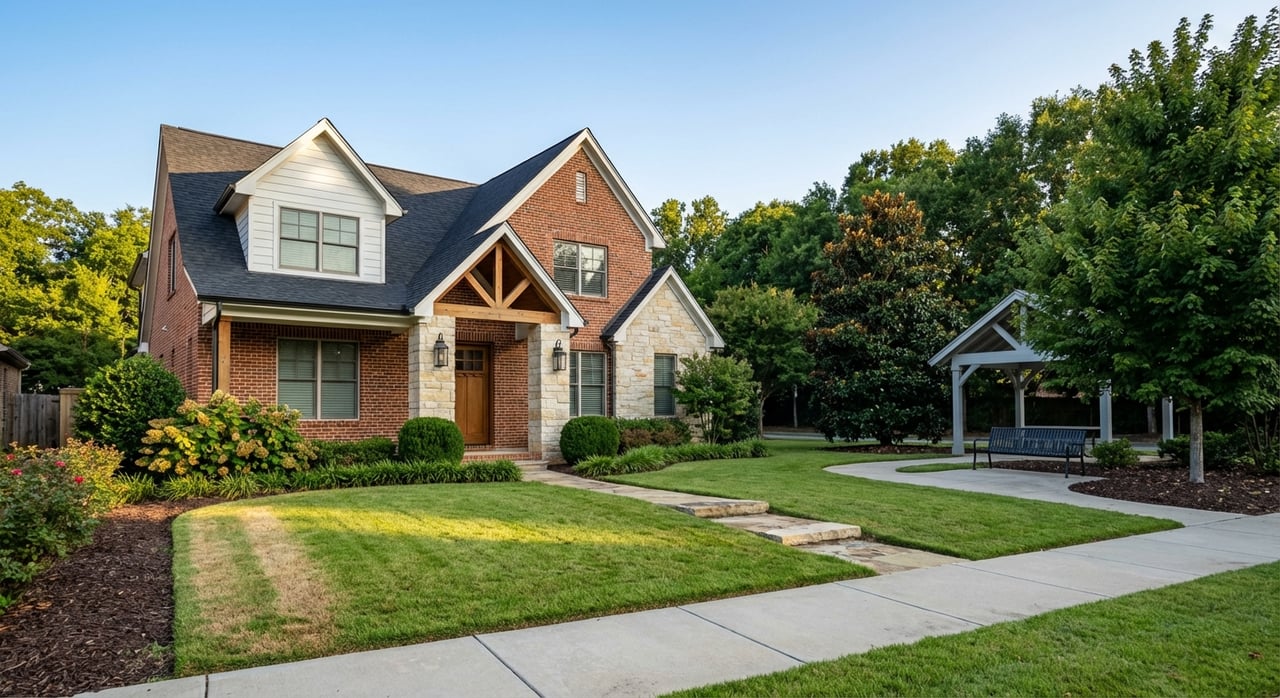
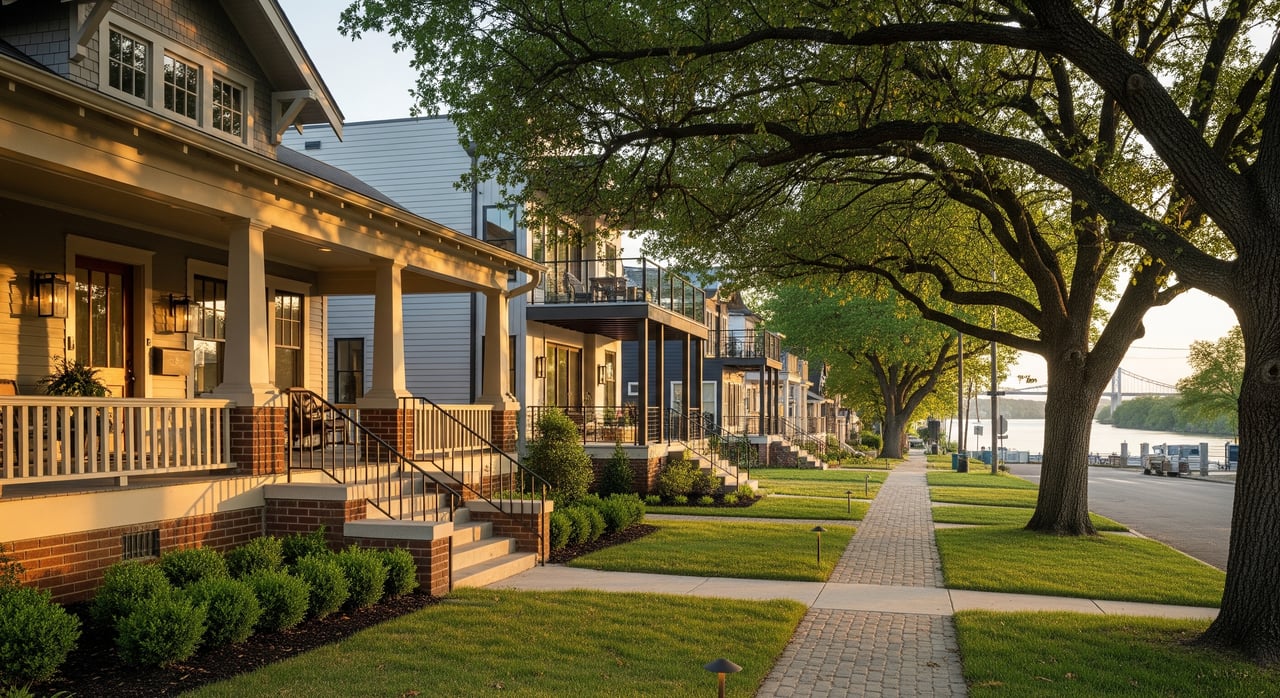
Classic bungalows are usually 1 to 1.5 stories with low‑pitched gable roofs, wide eaves, deep porches, and detailed interior woodwork. Built primarily between 1905 and 1940, they favor efficient footprints and cozy rooms with built‑ins. These homes often have separated living and dining areas, and many have modernized kitchens or rear additions.
Where you find them
You will see strong concentrations in Hillcrest, the Heights and Pulaski Heights, and in historic districts near downtown. The City’s Hillcrest documentation gives a helpful snapshot of what to expect, including architectural details and overlay context. You can review that resource in the City’s planning files for Hillcrest’s historic character and guidelines.
Price and value signals
Bungalows in close‑in, walkable areas often command a higher price per square foot because of location and character. The total price can be moderate, since many are compact, commonly under 1,600 square feet. Condition swings value. A home that needs work can be a way to enter a desirable neighborhood. A fully updated or expanded bungalow can push toward the upper ranges for that area.
Upkeep to plan for
Older homes can carry extra maintenance. Expect to check plumbing, electrical, insulation, and windows. For homes built before 1978, plan for lead‑safe practices during any renovation. The EPA’s guidance explains disclosure and safe work practices for older properties. Read the EPA’s lead‑based paint overview if you are weighing a pre‑1978 home.
Ranch homes 101
What you get
Ranch homes are typically single‑story with long, horizontal lines. Interiors often feel more open than bungalows, with larger picture windows or sliding doors and direct access to the backyard. Many include an attached garage and a practical layout that adapts well to modern upgrades.
Where you find them
Across Midtown and established subdivisions, you will find mid‑century ranches in places like Broadmoor, Meadowcliff, Capitol View and Stifft’s Station, Pleasant Valley, and similar post‑war developments. Preservation resources describe the ranch as the archetypal post‑war family home, known for simplicity and indoor‑outdoor connection. For background on the style’s typical features, see this NPS overview of 1950s ranch characteristics.
Price and value signals
Prices vary by lot size, location, and updates. Central‑area ranches can be budget friendly relative to newer builds. Larger lots or homes in established west‑side enclaves tend to sell higher. Because many ranches have straightforward floor plans, targeted updates to kitchens, windows, and mechanical systems can deliver strong livability gains.
Upgrades to expect
You may see original windows, older insulation, or dated finishes. Many buyers choose to modernize kitchens and baths, improve efficiency, and refresh flooring. The good news is that single‑story layouts often make updates more approachable than in multi‑level homes.
Newer construction in West Little Rock
What you get
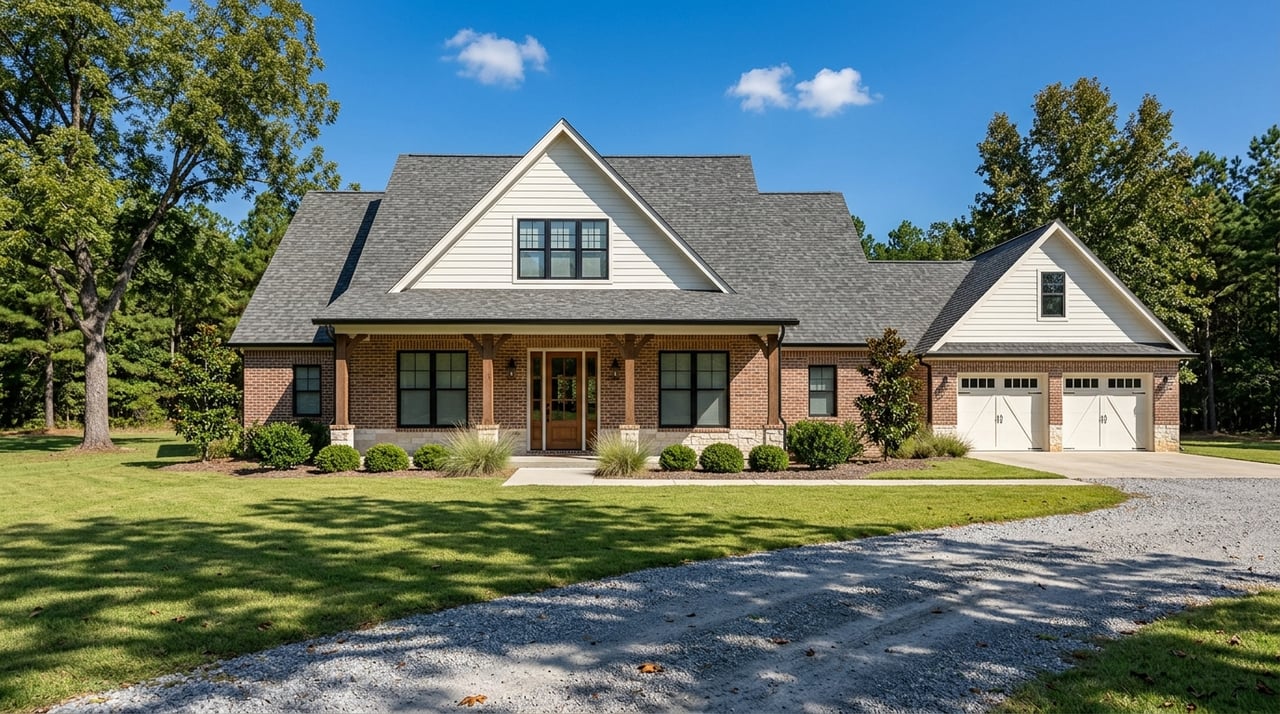
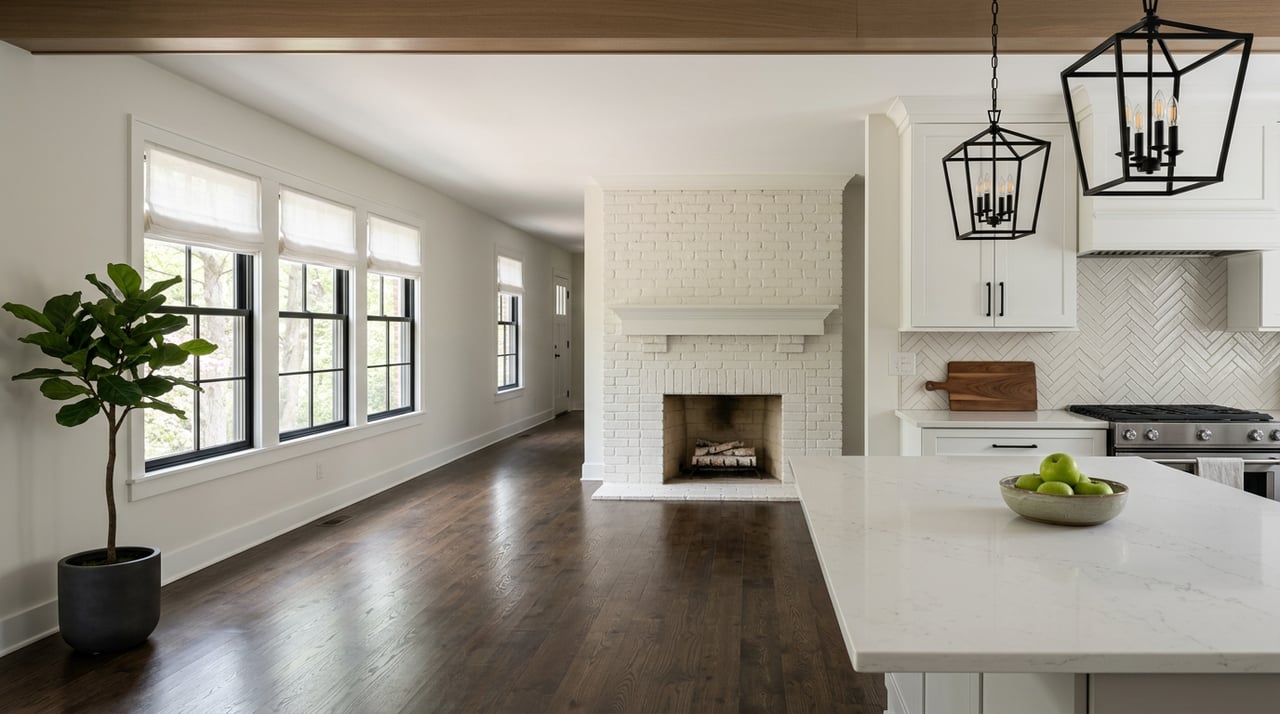
Newer builds in West Little Rock and Chenal Valley emphasize open floor plans, larger garages, energy‑efficient systems, and today’s storage solutions like walk‑in closets and pantry space. Many builders offer limited warranties. This can mean lower near‑term maintenance and fewer surprises in the first years of ownership.
Where you find it
Look to Chenal Valley and nearby subdivisions off Highway 10 and along growing west‑side corridors. Retail and dining hubs like the Promenade area add convenience that many buyers appreciate.
Price and value signals
Expect list prices above the city median for most new construction. Neighborhood medians in parts of West Little Rock commonly range from the mid to high $400Ks through the $600Ks, depending on the subdivision and lot size. The tradeoff is higher purchase price matched with updated systems, energy features, and modern layouts.
Builder docs to ask for
When you evaluate a new build, ask for warranty terms, HVAC and window specs, and any energy ratings. Homes built to energy‑efficient standards can reduce utility costs compared with older stock. Learn how these programs work through ENERGY STAR’s guidance on efficient new homes.
Costs, maintenance, and hidden line items
Budgeting for upkeep is part of choosing a home style. A simple rule of thumb is to set aside about 1 to 4 percent of your home’s value each year for maintenance and repairs. Lower percentages fit well‑kept newer homes, while older houses or those with aging systems can require a larger reserve. See Bankrate’s overview of annual maintenance budgeting.
Common one‑time or near‑term costs include:
- Roof replacement. A standard asphalt roof often falls in the several‑thousand to low‑ten‑thousand range depending on size and complexity. Review typical ranges in Angi’s roofing cost guidance, then get local bids.
- Electrical service upgrades. Panel or service updates often run from hundreds to a few thousand dollars based on amperage and scope. See a useful range in ThePricer’s panel upgrade overview.
- HVAC, plumbing, and windows. These are big‑ticket items that can add several thousand dollars each when replacement is due. Build a cushion if you are considering an older property.
Your actual numbers will vary by contractor, scope, and materials. For older homes, add line items for lead‑safe paint work and insulation upgrades where needed.
Location checks that save surprises
Historic overlays and exterior changes
Some Little Rock neighborhoods have design overlays that require review for exterior changes. Hillcrest is a good example. Before you plan a remodel or exterior update, confirm whether the property sits inside a district with special review. The City publishes Hillcrest overlay and permit data that shows how these reviews work.
Flood maps and insurance
Homes near the Arkansas River, Fourche Creek, and other low‑lying areas may fall inside a FEMA Special Flood Hazard Area. If a property is in that zone and you use a federally backed loan, flood insurance will be required and premiums can be significant. Check the state’s portal for floodplain maps and resources.
Property taxes vary by district
Pulaski County tax bills depend on the municipality, school district, and special districts. These differences matter when you compare neighborhoods. Review the County’s millage tables and guidance on the Pulaski County Treasurer’s page, and ask the seller for recent tax statements.
Age‑related health hazards
If you are considering a home built before 1978, plan for lead‑safe practices during any work that disturbs paint. Contractors should follow federal rules for containment and cleanup. The EPA’s lead safety FAQs explain what to expect.
Quick chooser: which fits your priorities
- You value walkability, historic charm, and a smaller footprint. Choose a bungalow in close‑in neighborhoods, and budget for ongoing care.
- You want single‑level living and a practical layout on a mid‑century lot. Look for a ranch and plan for targeted system and efficiency upgrades.
- You prefer open plans, modern systems, and lower near‑term maintenance. Focus on newer construction in West Little Rock and Chenal, and review builder specs and warranties.
What to ask before tours
- How old are the roof, HVAC, water heater, and electrical service? Are there receipts or permits?
- Has the home had recent structural, pest, or moisture inspections? Any foundation or drainage history?
- Is the property inside a historic district or design overlay? If yes, what exterior changes need review?
- Is the home in a FEMA flood zone? Will the lender require flood insurance?
- What are typical utility and property tax bills? Are there HOA or special‑district fees?
- For older homes: has a lead‑paint inspection been done? If not, what are estimated remediation or repaint costs?
- For new construction: can the builder provide warranties, HVAC and window specs, and any energy rating documents?
If you are weighing Little Rock bungalows, mid‑century ranches, or newer construction, the right fit comes down to lifestyle, budget, maintenance comfort, and location. When you are ready to compare real listings and talk through tradeoffs, connect with Ellen Weiner for a local, one‑on‑one consultation.
FAQs
What is the key difference between a Little Rock bungalow and a ranch?
- A bungalow is typically older, smaller, and room‑based with a prominent front porch, while a ranch is usually mid‑century, single‑story, and more open with direct yard access.
Where are Little Rock’s historic bungalows most common?
- You will find many in Hillcrest, the Heights and Pulaski Heights, and historic districts near downtown, with design rules in some overlays.
Are newer homes in West Little Rock more energy efficient?
- Often yes. Many new builds use modern HVAC, windows, and insulation. Ask for specs and any ENERGY STAR or HERS documentation to compare operating costs.
How much should I budget annually for home maintenance in Little Rock?
- A common rule is 1 to 4 percent of the home’s value per year, with older homes typically on the higher end and newer builds on the lower end.
Do I need to worry about flood insurance in Little Rock?
- It depends on the property’s location. Check FEMA or state flood maps. Homes in Special Flood Hazard Areas usually require flood insurance with certain loans.