A military move can feel like a race against the clock. If you are heading to Jacksonville for a PCS to Little Rock Air Force Base, you are probably balancing orders, housing choices, commute questions, and a dozen moving parts all at once. The good news is that Jacksonville gives you several practical paths, from on-base housing to off-base rentals and homes for sale. This guide will help you understand how the local market works, what kinds of homes you will likely see, and how to think through rent versus buy on a military timeline. Let’s dive in.
Why Jacksonville Works for PCS Moves
Jacksonville is the host city for Little Rock Air Force Base, which covers 6,217 acres and includes about 3,332 resident personnel and about 7,200 workers. That close connection to the base makes Jacksonville one of the most natural places to start your housing search if you want to keep your commute manageable.
The city had an estimated 2024 population of 29,129 and a mean travel time to work of 19.9 minutes. For many base-connected households, that supports Jacksonville as a short-commute market, although your actual gate-to-door time will still depend on your neighborhood, traffic, and shift schedule.
Another reason Jacksonville stands out is flexibility. Little Rock AFB offers privatized housing, a Military Housing Office, and a resident advocate, so you can compare on-base options with off-base rentals and homes for sale instead of feeling locked into one route.
What Housing Looks Like in Jacksonville
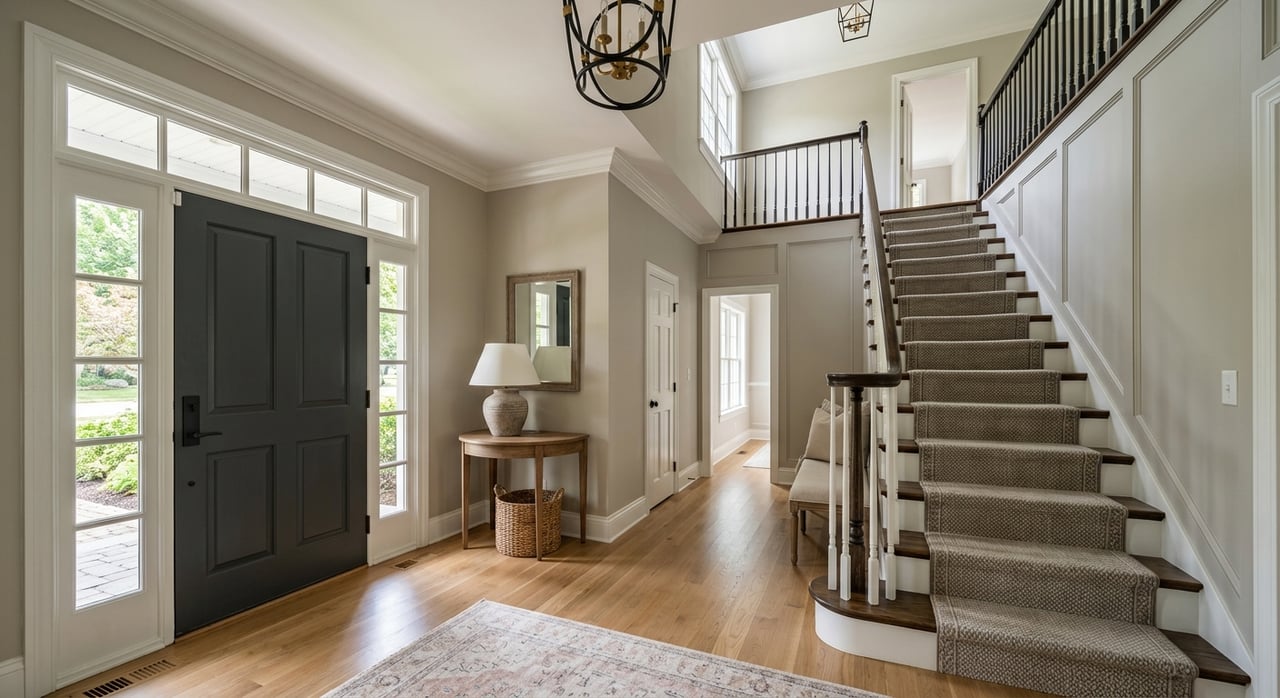
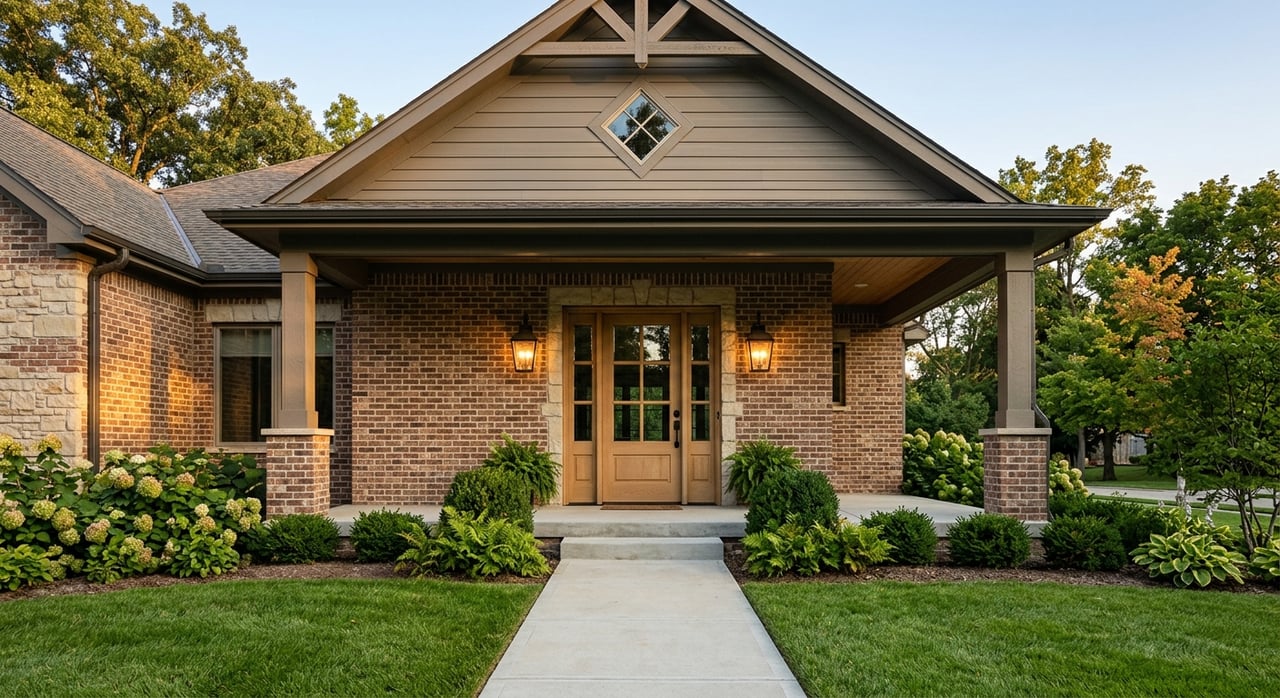
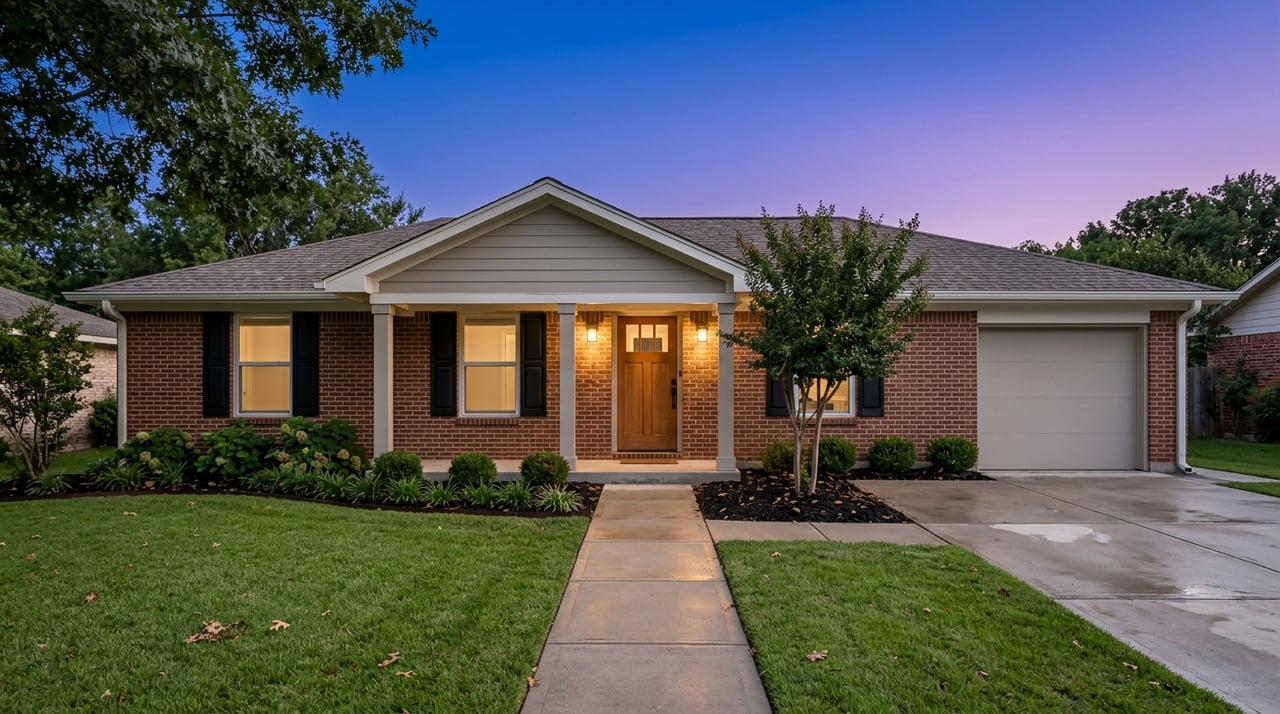
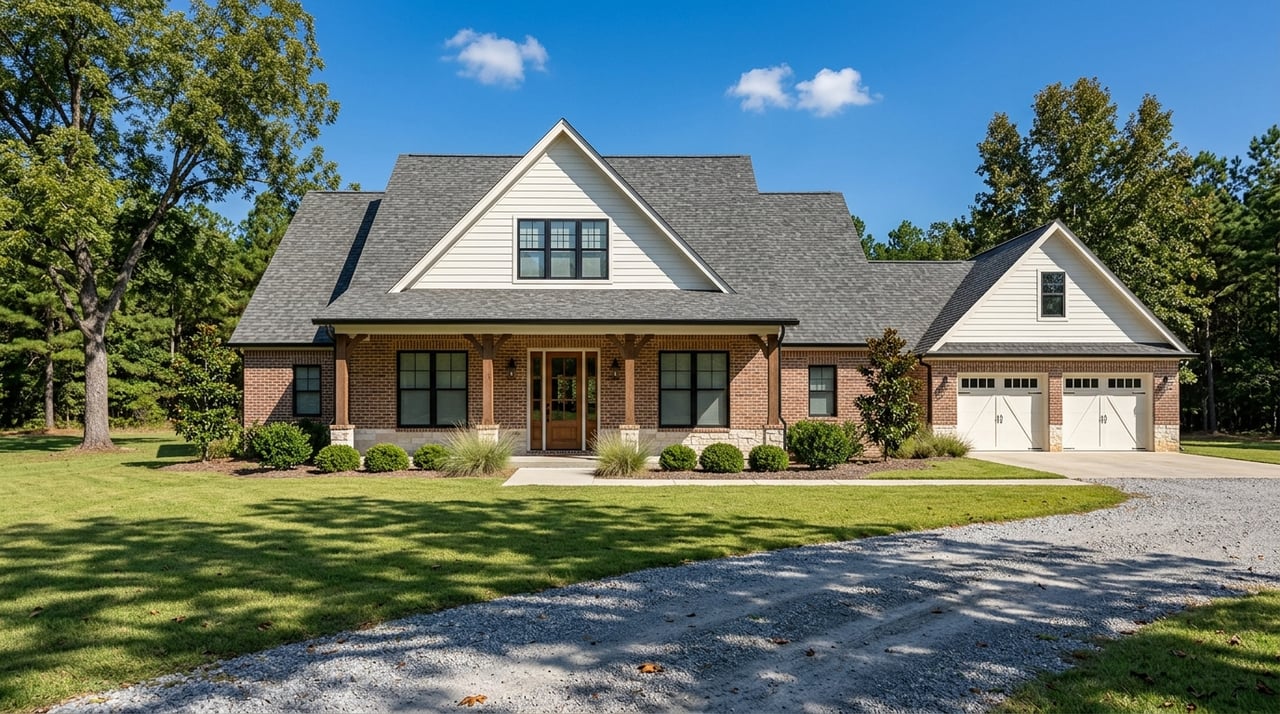
If you are picturing a market made up mostly of detached homes, that is largely accurate. Jacksonville’s housing stock is weighted toward 1-unit detached homes, which make up 66 percent of the city’s housing units.
You will also find other options depending on your budget, timeline, and preferred location. The city includes 1-unit attached homes, 2-to-4-unit properties, larger apartment buildings, and manufactured housing. In practical terms, that means you may come across townhome-style homes, duplexes, apartments, and manufactured homes as you search.
A big part of the local inventory is older. About 6,950 of Jacksonville’s 11,635 housing units were built before 1980, so your options may include more established homes instead of only newer construction.
That older housing stock can be a plus if you want more choices in layout, lot size, or price point. It also means you will want to look closely at condition, updates, and maintenance history when comparing homes.
Common Home Options Near Little Rock AFB
Your housing search in Jacksonville will usually fall into three broad categories:
- On-base housing for households who want proximity and a more built-in military housing structure
- Off-base rentals for flexibility and lower commitment during a changing PCS timeline
- Homes for sale for households who expect to stay long enough to make ownership worthwhile
Each option can make sense. The best fit depends on how firm your orders are, how long you expect to be in the area, and how much flexibility you want during the move.
Renting in Jacksonville During a PCS
Renting is often the simplest choice when your schedule still feels fluid. If report dates, family timing, or follow-on plans are not fully settled, a rental can give you room to land first and make longer-term decisions later.
That flexibility matters in military moves. Military OneSource notes that you may receive a PCS notification before official orders arrive, but you cannot schedule the move until you have official orders in hand.
For many military households, the Servicemembers Civil Relief Act can also make renting less risky. If your lease qualifies and you signed it before receiving PCS orders, you may be able to end the lease without penalty by giving written notice and a copy of your orders.
The timing details matter here. According to the Consumer Financial Protection Bureau, the lease ends 30 days after the next rent payment is due once proper notice is given. That can help you line up your lease end date with your packing window and arrival in Jacksonville.
Jacksonville’s local cost profile supports renting as a reasonable short-term option. The city’s median gross rent is $913, compared with a median monthly owner cost with a mortgage of $1,250.
That does not mean renting is always better. It does mean renting may reduce near-term cash flow pressure while you get settled, especially if your plans are still evolving.
Buying in Jacksonville on a Military Timeline
Buying can be a strong option if your timeline is clearer and you expect to stay long enough to offset closing costs. For some military households, owning brings more stability, more control over the home, and the chance to build equity over time.
VA-backed purchase loans can make buying more realistic for eligible service members. According to the VA, these loans can offer no down payment, no private mortgage insurance, competitive terms, and no prepayment penalty.
VA-backed purchase loans can also be used for several property types, including single-family homes, condos in VA-approved projects, manufactured homes, and homes with up to four units. Even so, buying should not be treated as the automatic PCS choice.
You will still need a Certificate of Eligibility and lender approval, and the bigger question is whether your expected stay is long enough to make ownership a smart fit. If your assignment length and move dates are still uncertain, renting may still be the better first step.
Rent vs. Buy in Jacksonville
If you are torn between renting and buying, this simple comparison can help:
| Option | Best Fit For | Main Advantage | Main Watchout |
|---|---|---|---|
| Rent | Shorter or uncertain timeline | More flexibility during PCS changes | You do not build equity |
| Buy | Longer expected stay | Stability and potential equity | Higher upfront and monthly costs |
| On-base housing | Households prioritizing base access | Built around military living needs | Availability and fit can vary |
The key is not choosing the “right” answer for everyone. It is choosing the option that fits your orders, budget, and expected time in Jacksonville.
Moving Timeline Tips for a Jacksonville PCS
A PCS move gets easier when you organize early. Military OneSource recommends keeping a moving binder with copies of orders, birth certificates, Social Security cards, mortgage documents, rental agreements, and other key papers you may need to hand-carry.
It also helps to understand how the move window works. Packers generally need access between 8 a.m. and 5 p.m., and less popular move dates can reduce stress.
Historically, the last week of the month and the stretch from the last week of June through the first week of July are among the hardest times to move. If you have any flexibility, avoiding those peak periods may make scheduling easier.
If you are ending a lease because of PCS orders, pay close attention to notice requirements. The SCRA requires written notice plus a copy of military orders or commander verification, and notice can be delivered by hand, private carrier, mail, or electronically.
How Local Help Can Simplify the Process
Military moves involve more than just finding a house. You are trying to line up showings, housing decisions, inspections, appraisals, lease dates, packing schedules, and closing milestones while your PCS timeline keeps moving.
That is where local guidance can make a real difference. In a market like Jacksonville, it helps to work with someone who understands the area’s housing mix, typical commute patterns around Little Rock AFB, and how to compare on-base housing with off-base rentals and purchase options.
Because Jacksonville includes everything from detached homes to duplexes, apartments, and manufactured housing, it is useful to have a clear plan before you start touring. A focused search can save time and reduce decision fatigue when your schedule is tight.
For buyers, that may mean narrowing your search by structure type, budget, and commute goals. For renters, it may mean identifying flexible options that match your timeline while keeping future plans open.
What to Keep in Mind About Jacksonville Housing
Jacksonville can be a practical landing spot for military households because it offers proximity to Little Rock AFB and a range of housing choices. You are not limited to one style of home or one path forward.
Detached single-family homes are the most common option, but you may also find attached homes, duplexes, apartments, and manufactured housing. The city’s mix of older and varied housing stock can give you more choices, which is helpful when your PCS needs are specific.
Most of all, it helps to make your housing decision based on your timeline instead of pressure. If you need flexibility, rent. If you expect a longer stay and want the benefits of ownership, buying may be worth a closer look.
If you are preparing for a military move to Jacksonville and want practical, local guidance on homes, neighborhoods, and timing, Ellen Weiner can help you compare your options and move forward with confidence.
FAQs
Do I need official PCS orders before planning a move to Jacksonville?
- You may get a PCS notification before orders arrive, but Military OneSource says you cannot schedule the move until official orders are in hand.
Can military orders help me break a lease in Jacksonville?
- If your lease is covered by the SCRA and your orders qualify, you can generally end the lease with written notice and a copy of the orders or commander verification.
Is buying a home in Jacksonville realistic during a PCS?
- Yes, in some cases. Buying can work well if your timeline is clear, you expect to stay long enough to offset closing costs, and you qualify for financing such as a VA-backed purchase loan.
What types of homes are common in Jacksonville near Little Rock Air Force Base?
- Detached single-family homes are the most common, but you may also see attached homes, duplexes, apartments, and manufactured homes.
Is Jacksonville a good choice for a short commute to Little Rock AFB?
- For many base-connected households, yes. Jacksonville is the host city for the base, and the city’s mean travel time to work is 19.9 minutes, though your actual commute will vary by location, traffic, and shift time.